A tomato that tastes like the one your grandfather grew, a bean passed between neighbors, or a squash adapted to a region over generations – these are the stories behind many heirloom varieties. But what are heirloom vegetable seeds in practical gardening terms? They are seeds from older, open-pollinated vegetable varieties that grow true to type, meaning saved seed can produce plants much like the parent plant.
For a home gardener, that opens up a lot of possibilities. Heirlooms can bring unusual colors, memorable flavor, local history, and the chance to save seeds from your best plants. They are not automatically better than every hybrid, but they are a wonderful fit for gardeners who want more choices and a deeper connection to what they grow.
What Are Heirloom Vegetable Seeds?
Heirloom vegetable seeds come from varieties that have been grown and shared for a long time, often for at least 50 years. There is no single legal rule that defines the word “heirloom,” so you may see different seed companies use slightly different age standards. What matters most is that the variety is open-pollinated and has a stable set of recognizable traits.
A variety might be known for its striped fruit, sweet flavor, short vines, firm flesh, or ability to handle cool summers. When gardeners grow it year after year and save seed from healthy, typical plants, those traits continue. That is how many heirlooms have survived: through generations of gardeners, families, farmers, and seed keepers.
Names often tell part of the story. You may find varieties connected to a region, an immigrant community, a family, or a particular gardener who kept the seed alive. Others have names that simply describe their appearance, such as a purple bean or yellow pear-shaped tomato.
Heirloom, Open-Pollinated, Hybrid, and GMO: What Is the Difference?
These terms are often grouped together, but they mean different things.
An open-pollinated variety is pollinated naturally by wind, insects, or other normal garden activity. If the plant does not cross-pollinate with a different variety of the same species, seed saved from it should produce plants similar to the parent. All heirlooms are open-pollinated, but not every open-pollinated variety is old enough to be called an heirloom.
A hybrid is the planned cross between two different parent varieties. Seed companies make the same cross repeatedly to produce a first-generation hybrid, often labeled F1. Hybrids can offer useful traits, such as disease resistance, uniform size, or earlier maturity. But seed saved from an F1 hybrid usually will not grow into the same plant the following year. The next generation can vary widely.
GMO refers to genetic modification in a laboratory setting. Heirloom seeds are not genetically modified. Still, “heirloom” and “non-GMO” are not interchangeable descriptions. An open-pollinated variety can be non-GMO without being an heirloom, and a hybrid vegetable seed can also be non-GMO.
Heirloom also does not automatically mean organic. Organic refers to how the seed crop was produced and certified. A gardener can grow heirloom seeds using organic methods, conventional methods, or something in between.
Why Gardeners Love Heirloom Varieties
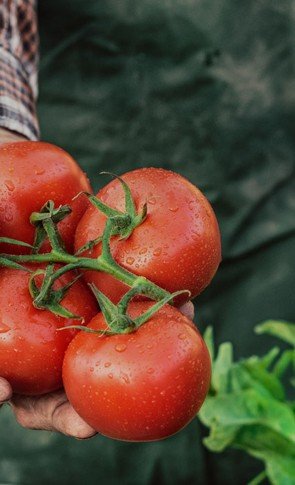
The biggest reason many gardeners choose heirlooms is simple: they make the garden more interesting. A grocery store tomato is often bred to travel well and look consistent on a shelf. An heirloom tomato may be softer, oddly shaped, or prone to cracking, but its flavor can make every imperfect slice worth it.
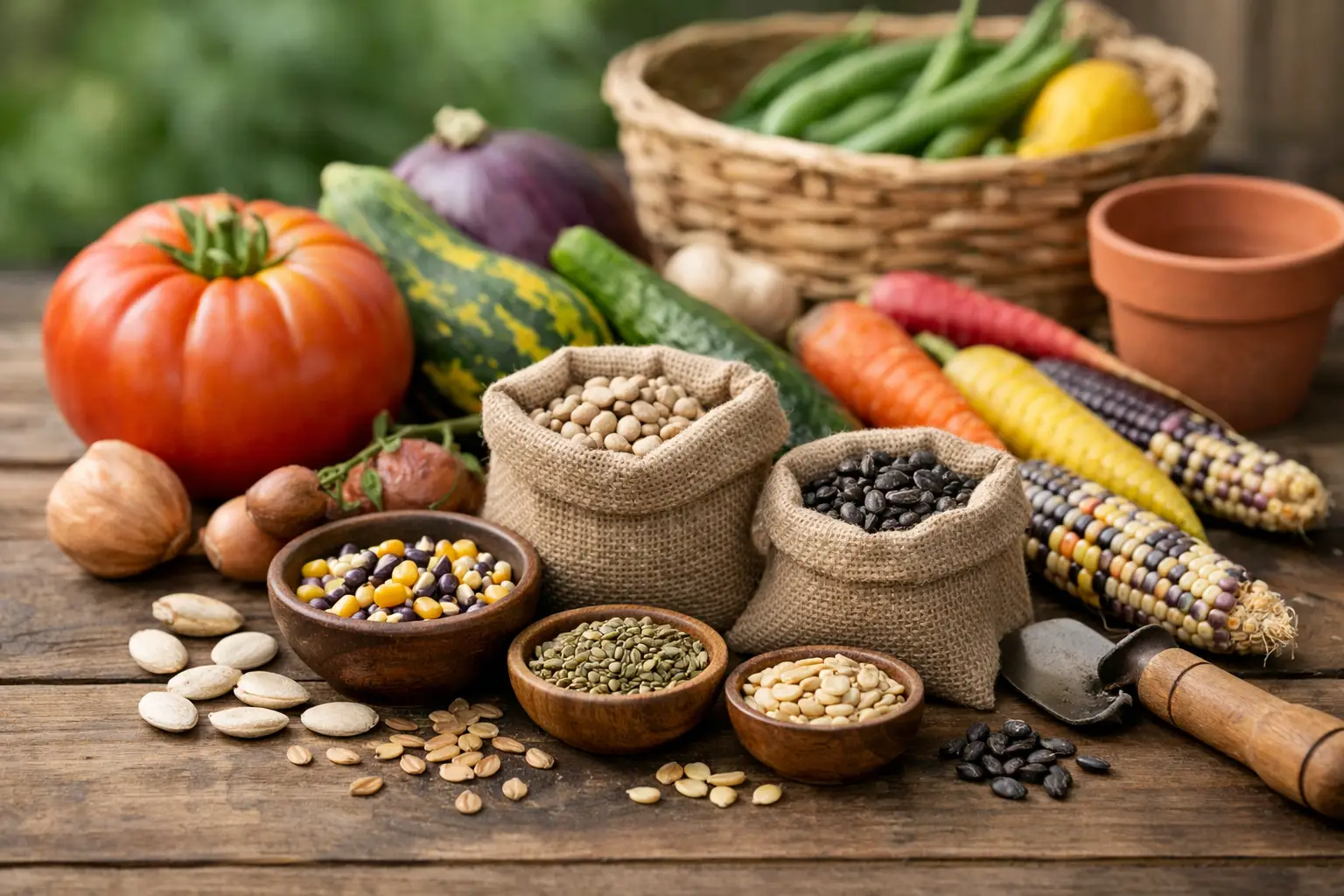
Heirlooms also offer variety beyond the usual red tomato, green bean, and orange carrot. You can grow speckled lettuce, purple podded peas, lemon-colored cucumbers, or winter squash with a long local history. Trying a few different varieties teaches you what truly performs and tastes best in your own garden.
Seed saving is another benefit. When you save seeds from open-pollinated plants that did well in your conditions, you can gradually select for traits you value. Maybe you keep seed from the earliest tomatoes, the most productive beans, or the lettuce that stayed tender longest before bolting. This does take care and patience, but it is one of gardening’s most rewarding habits.
Finally, heirloom seeds help preserve genetic diversity. Growing more than a handful of widely available varieties keeps a broader range of vegetable traits in circulation. That variety matters as gardeners face different climates, pests, soil types, and growing spaces.
The Trade-Offs to Know Before You Plant
Heirlooms deserve their good reputation, but they are not magic seeds. A variety that thrives in one garden may struggle in another. Some heirloom tomatoes, for example, may be more susceptible to common diseases than modern hybrid tomatoes bred for resistance.
Uniformity can also be lower. Your fruits may ripen over a longer period, vary more in size, or have quirks that are inconvenient if you need a large harvest all at once for market or canning. On the other hand, a longer harvest can be ideal for a home gardener who wants a steady supply for meals.
Some heirlooms take longer to mature, which matters in short-season areas. Always check the days to maturity and compare them with your local growing season. If summer is brief, choose early varieties or start warm-season crops indoors when appropriate.
The best approach is not to treat heirloom and hybrid as opposing teams. You can grow heirloom beans for flavor and seed saving, then plant a disease-resistant hybrid tomato if tomato blight has been a recurring problem. A garden can have room for both.
How to Choose Heirloom Seeds for Your Garden
Start with crops you enjoy eating and that suit your available space. A packet can be affordable, but every plant still needs room, water, and attention. Beginning with two or three vegetables you are excited to cook is often more useful than planting ten unfamiliar crops at once.
Look closely at the variety description. Pay attention to days to maturity, plant size, heat or cold tolerance, disease notes, and whether the crop is best for fresh eating, storage, pickling, or cooking. A sprawling winter squash may be a poor match for a tiny balcony, while bush beans, lettuce, radishes, and compact tomatoes can work beautifully in raised beds or containers.
Consider your climate, too. In hot, humid areas, seek varieties noted for heat tolerance and good airflow. In dry regions, mulch and consistent watering may matter as much as seed choice. In cool areas, favor short-season varieties and do not rush tender plants into cold soil.
If you are new to gardening, reliable starting points include bush beans, leaf lettuce, radishes, peas, zucchini, and cherry tomatoes. They are not guaranteed to be trouble-free, but they generally offer quick feedback and a satisfying harvest. Growing one familiar crop alongside one unusual heirloom is a low-pressure way to experiment.
Can You Save Seeds From Heirloom Vegetables?
Yes, and that is one of the defining advantages of heirloom vegetable seeds. The method depends on the crop. Bean, pea, lettuce, and pepper seeds are fairly approachable for beginners. Let the seeds mature fully, collect them from healthy plants, dry them thoroughly, and store them in a cool, dry, dark place.
Tomatoes need one additional step because their seeds are surrounded by a gel coating. Gardeners commonly ferment the seeds briefly in water before rinsing and drying them. Squash, cucumbers, and melons can be more complicated because they cross-pollinate readily with compatible varieties nearby.
To keep saved seeds true to type, grow only one variety of crops that cross easily, separate varieties by the recommended distance, or hand-pollinate and protect blossoms. If that sounds like more than you want to manage, save seeds from self-pollinating crops first. You can still enjoy growing multiple varieties of squash or cucumbers – just buy fresh seed when you want predictable results.
Saving seed does not have to be all or nothing. Even collecting a few bean pods from your favorite plant is a meaningful start. Label everything carefully with the variety and year, since mystery seeds are surprisingly hard to identify six months later.
Grow a Garden That Teaches You Something
Heirloom seeds invite a different kind of gardening: one where a crooked cucumber, a late frost, or a surprise bumper crop is part of the learning. Keep a few notes on what you planted, when it first produced, how it tasted, and whether it handled your weather well. Those small observations will be more useful next season than any universal “best variety” list.
Plant what you are curious about. Start small if that feels right, try another variety when you have room, and save seed from the plants you would happily grow again. Every successful harvest begins with a seed and a little willingness to learn as you go.