What Makes a Great Beginner Garden?
A first garden does not need to look like a magazine spread. It needs to give you a few good reasons to walk outside, notice what is growing, and plant again next season.
A great beginner garden is small enough to manage, filled with things you actually want to grow, and forgiving enough to let you experiment.
Some plants will surprise you. Others will struggle. Both are useful.
Gardening is one long experiment.
Start Smaller Than You Think
New gardeners often make one generous mistake: they plant more than they can comfortably water, weed, and harvest.
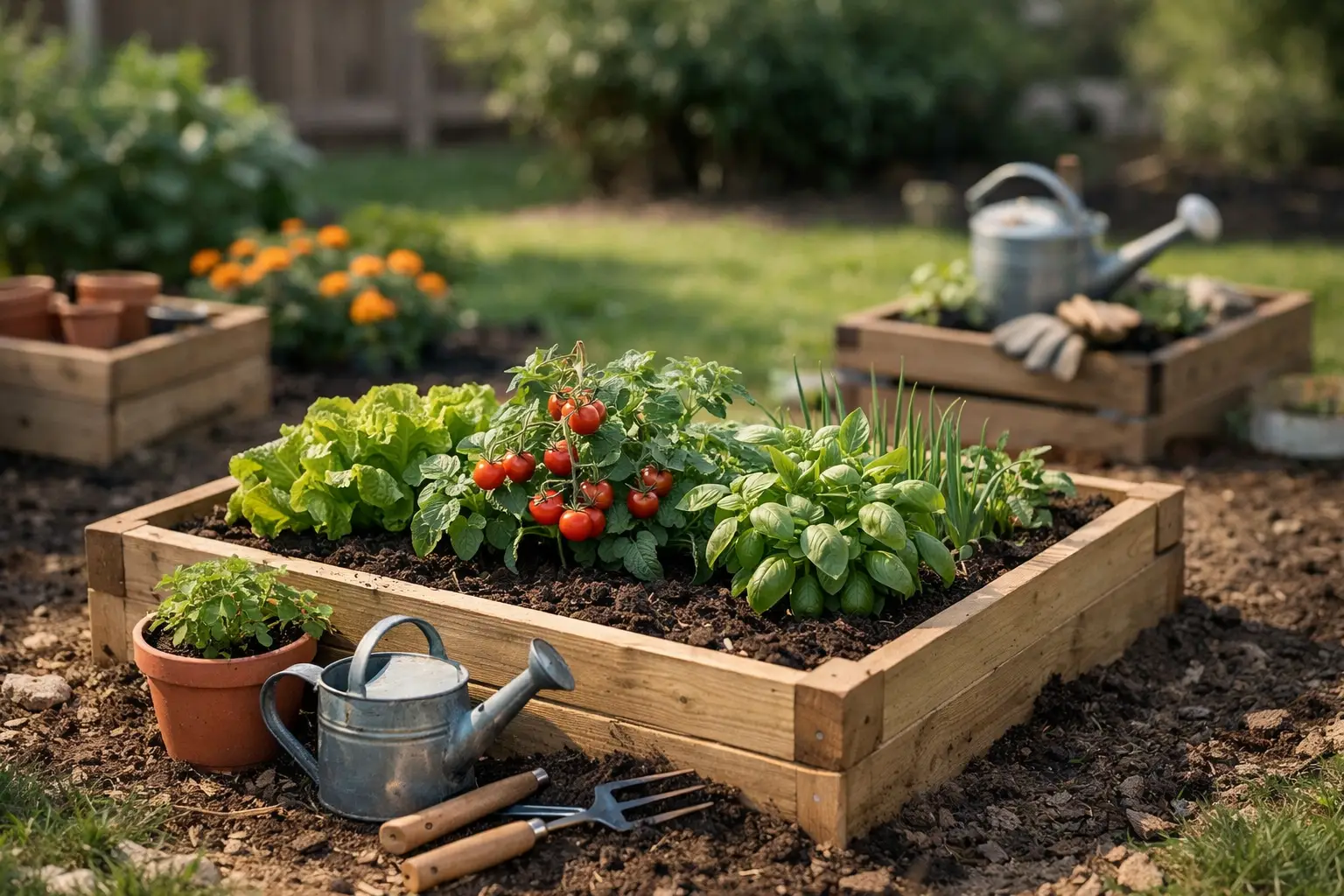
A few containers, one raised bed, or a small patch near the house is plenty for a first season. Put it somewhere you pass regularly. A garden beside the porch or back door receives more attention than one hidden at the far end of the yard.
You do not need much room. A compact garden can hold:
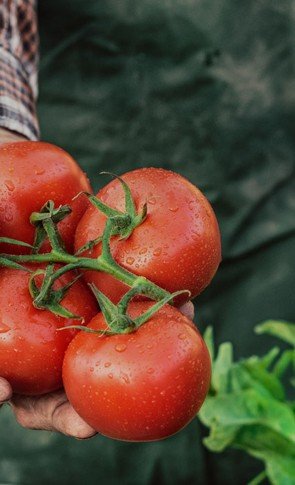
- One or two tomatoes
- A row of bush beans
- Lettuce or radishes
- Basil and dill
- A few flowers
The goal is not to grow everything. It is to grow enough to learn what works in your space.
Follow the Sun
Most vegetables need at least six hours of direct sunlight. Tomatoes, beans, cucumbers, peppers, basil, and zinnias generally appreciate even more.
Watch your garden spot before planting. Trees, fences, and buildings can create more shade than you realize.
A partly shaded garden can still be productive. Lettuce, spinach, kale, parsley, cilantro, and other leafy crops often tolerate less sun—and may appreciate some afternoon shade during hot weather.
Work with the space you have rather than trying to force the wrong plants into it.
Choose Plants That Give Something Back
A first garden should contain plants that reward you early.
Bush beans, radishes, lettuce, peas, basil, dill, zinnias, sunflowers, and marigolds are good places to begin. Many are easy to sow directly and show visible progress quickly.
Cherry tomatoes take longer, but few plants make a new gardener feel more successful once the harvest begins.
Grow what you enjoy. There is no prize for producing six zucchini plants when nobody in the house wants zucchini.
We also believe every vegetable garden should include flowers. They bring pollinators, add color, and make the garden somewhere you want to spend time.
Plant More Than One Variety
Do not feel obligated to choose the single “best” tomato, bean, or flower.
Plant two or three varieties and see what happens.
One may germinate faster. Another may handle your weather better. A third may simply taste better.
That comparison is part of gardening. It is also why we sell affordable seed packets. Experimenting should not require a major investment or make every unsuccessful planting feel expensive.
The garden teaches you what generic advice cannot: what grows well in your soil, weather, sunlight, and routine.
Make Watering Easy
Most young gardens struggle because watering is inconsistent.
Seeds and seedlings need steady moisture while they become established. Once plants are growing well, deeper watering is usually better than frequent shallow sprinkling.
Check the soil with your finger. If it is dry an inch or two below the surface, water it.
Keep a watering can nearby. Use a hose timer or soaker hose when helpful. Build the garden around your actual habits rather than an ideal routine you may not maintain.
A smaller garden watered regularly will outperform a larger garden surviving on good intentions.
Leave Room for Failure
A seed may not germinate. A rabbit may eat your beans. A tomato may develop disease just as it begins producing.
That is not proof that you are bad at gardening.
It is gardening.
Replant when there is time. Try something different when there is not. Keep a few notes about what grew well, what struggled, and what you would change next season.
Over time, those observations become more valuable than any gardening book because they belong to your own piece of ground.
A great beginner garden is not perfect. It is interesting, manageable, and alive.
Plant something small. Pay attention. Let the garden teach you what to grow next.
Happy gardening, The DollarHeirloom Team