We almost never grow just one variety of anything.
If we’re planting tomatoes, we’ll plant several. The same goes for beans, lettuce, peppers, flowers, and just about anything else we have room for.
Partly because it’s more interesting. Mostly because we’ve learned that gardening is one long experiment.
You can read descriptions, look at pictures, and research which varieties are supposed to be the best. We do plenty of that at DollarHeirloom. But eventually you have to put the seed in the ground and see what happens.
And what happens is often surprising.
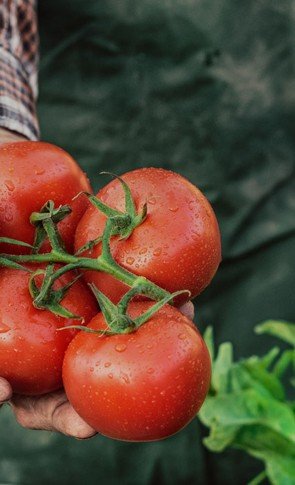
Don’t plant one tomato. Plant three.
If you have room for three tomato plants, you could plant three of the same variety. You’ll probably get plenty of tomatoes.
We’d rather plant three different ones.
Maybe one is an old favorite, another looks promising, and the third is something we’ve never grown before. By the end of the summer, we’ll have learned something about all three.
One may produce twice as much as the others. One may handle heat or disease better. Another may grow beautifully but produce tomatoes that aren’t particularly memorable. And every once in a while, the plant we weren’t expecting much from produces the tomato we want to grow every year.
You can’t really learn that from a seed catalog. You learn it by growing.
There usually isn’t one “best” variety
We spend a surprising amount of time looking at varieties for DollarHeirloom. Germination matters to us, of course, but so do flavor, yield, appearance, ease of growing, and whether a variety is simply interesting enough that we’d want to grow it ourselves.
The more we grow, the more skeptical we become of lists claiming to name the “best” tomato, bean, cucumber, or flower.
There may be a best one for your garden, but that’s something you have to discover.
Every garden has different soil, sunlight, rainfall, temperatures, pests, and diseases. Even different spots in the same garden can produce very different results.
We’ve seen plants we expected to do beautifully struggle, while something planted almost as an afterthought took off.
So we’d rather compare than guess.
Plant a few varieties and let your garden tell you which one wins.
Variety is also a little insurance
There is a practical side to all this experimenting.
Gardens are unpredictable.
One summer is wet. The next is dry. Spring arrives early and then throws one last frost at you. A pest or disease you’ve never worried about suddenly appears.
Different varieties don’t always respond the same way.
One tomato may shrug off conditions that another hates. One lettuce may tolerate heat a little longer. One bean may keep producing when another slows down.
Planting more than one variety spreads the risk. If one struggles, another may surprise you.
It’s a simple form of diversification for gardeners.
The experiments are often the best part
This is probably our favorite part.
DollarHeirloom itself gives us a wonderful excuse to buy seeds, grow seeds, compare varieties, and keep trying things we’ve never grown before.
Some experiments are successful. Others aren’t particularly impressive. Occasionally we find something we can’t believe we weren’t growing already.
That’s part of gardening.
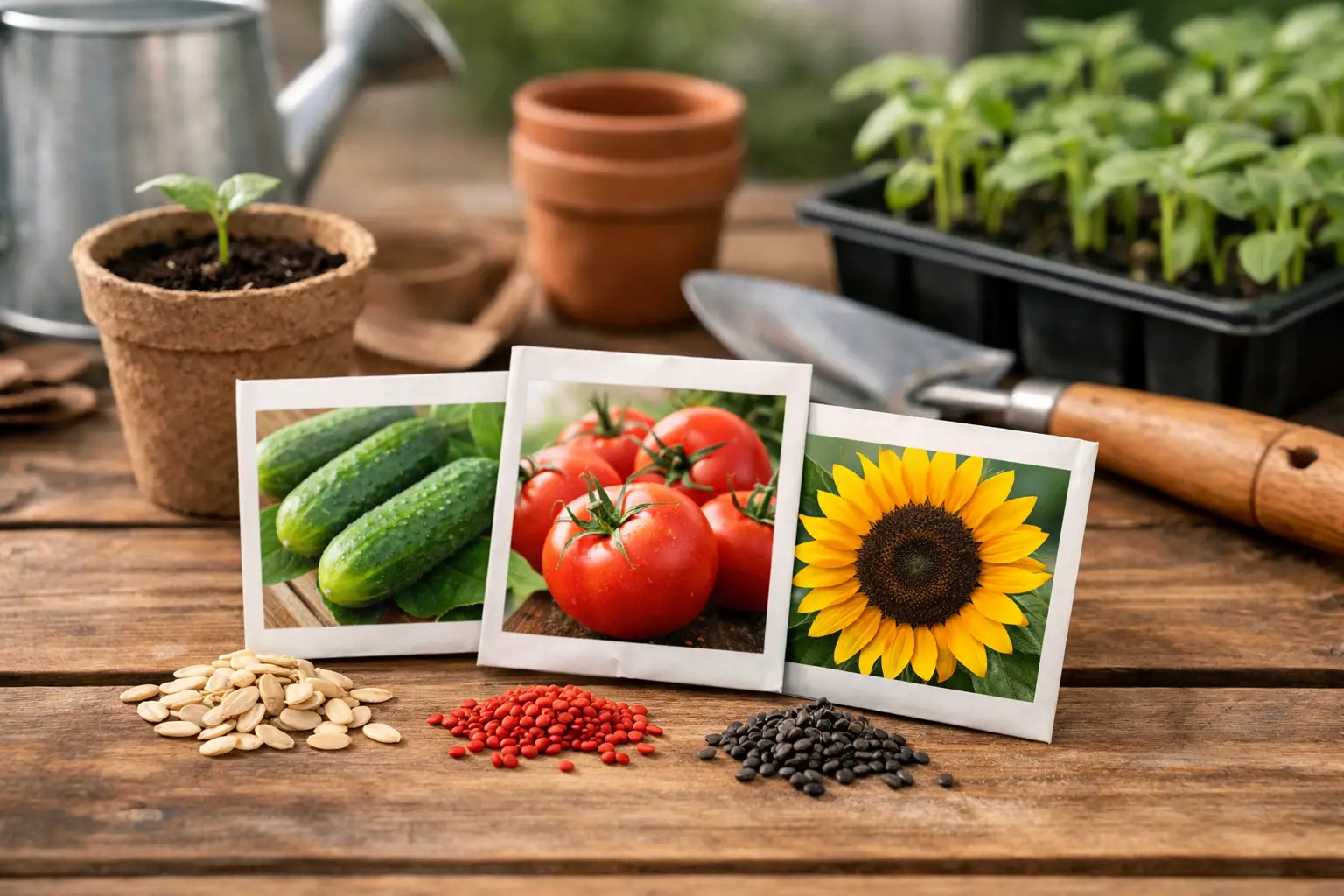
It’s also one of the reasons we like keeping seed packets affordable. Trying another variety shouldn’t feel like a major decision. Neither should planting an unusual flower, experimenting with a different herb, or giving a little corner of the garden to a vegetable you’ve never grown before.
Grow the tomato you already know you love.
But plant another one beside it.
Try a different bean. Add a flower you’ve never grown. Give a little garden space to something you’re not quite sure about.
It may be a failure, and that’s fine.
It may also become the thing you grow every year.
Either way, you’ll know more at the end of the season than you did at the beginning.
And next year, you get to experiment all over again.
Happy gardening, The DollarHeirloom Team