Seed Collections for Beginners That Actually Make Sense
Starting a garden can get expensive and confusing quickly. Every seed packet looks promising, but that does not mean every variety belongs in your first garden.
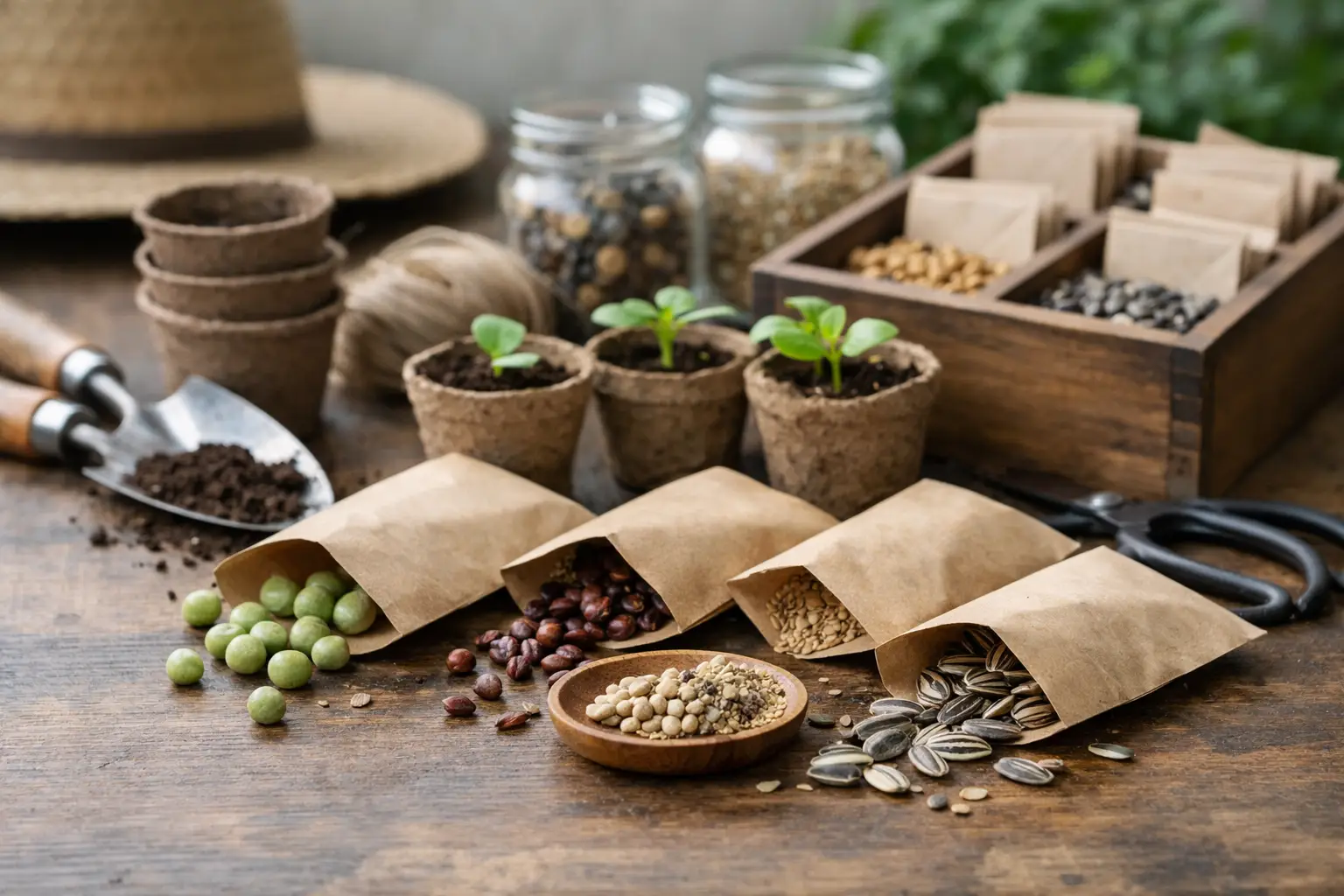
The best seed collections for beginners are not simply large bundles of seeds. They are groups of vegetables, herbs, or flowers chosen for a clear purpose.
A good beginner seed collection should fit:
- Your available space
- The amount of sunlight you receive
- Your local growing season
- What you actually want to grow
A few dependable plants will teach you far more than an overcrowded garden filled with seeds you never had room to plant.
Why Beginner Seed Collections Help
Choosing seeds individually can feel like standing in front of a very good buffet with a very small plate.
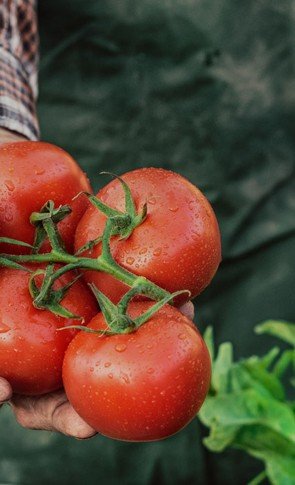
Tomatoes, beans, basil, cucumbers, lettuce, zinnias, and sunflowers are all good choices. The difficult part is deciding which ones make sense together.
A thoughtfully planned seed collection removes some of that guesswork. Instead of spending hours comparing varieties, you can focus on learning the basics:
- When to plant
- How deeply to sow
- How much to water
- When to thin seedlings
- What grows well in your garden
Our Easy-to-Grow Vegetable, Flower and Herb Garden was built around that idea. It combines useful vegetables, herbs, and flowers that give beginning gardeners several ways to succeed.
Choose Seeds for the Garden You Have
Before buying a seed collection, look honestly at your growing space.
A sunny backyard can support tomatoes, cucumbers, squash, and beans. A patio or balcony may be better suited to herbs, lettuce, compact vegetables, and flowers.
Start with sunlight:
- Fruiting vegetables generally need plenty of direct sun.
- Leafy greens and many herbs can tolerate less.
- Containers dry out faster than garden beds.
- Large plants need much more room than seedlings suggest.
Gardeners with limited space can browse our container vegetable seeds for varieties better suited to patios, balconies, and raised beds.
The goal is not to grow everything. It is to grow a few things well.
Pick a Collection With a Clear Purpose
A good beginner seed collection should answer one simple question:
What do you want your garden to do?
Vegetable Seed Collections
A beginner vegetable garden might include lettuce, radishes, beans, beets, cucumbers, and one tomato variety.
This gives you both quick crops and vegetables that produce later in the season.
Browse our easy vegetables to grow from seed for dependable choices that germinate readily and do not require advanced gardening skills.
Herb Seed Collections
Herbs are useful, productive, and well suited to containers.
Basil, parsley, cilantro, dill, and chives can make even a small space feel like a real garden. Just remember that basil prefers warmth, while cilantro and dill often grow better during cooler weather.
Our easy herbs to grow are a practical place to start.
Flower Seed Collections
Flowers are often more forgiving than vegetables. You do not need a perfect harvest to enjoy them.
Zinnias, cosmos, sunflowers, calendula, and bachelor’s buttons are colorful, useful for bouquets, and attractive to pollinators.
Our easy flowers to grow include beginner-friendly varieties that can handle a few mistakes.
You can also explore all our seed collections and garden gifts.
Avoid the “Plant Everything” Trap
A seed collection may contain more varieties than you can reasonably grow in one season.
That is fine.
Seeds do not demand to be planted immediately. Choose three to five varieties that fit your garden and save the rest for later.
We have learned this repeatedly: young seedlings look small, but mature plants are not. One zucchini plant can occupy several square feet. A cucumber vine can quickly claim a fence. A packet of lettuce can supply several separate plantings.
Leave room for the plants to grow.
Include a Few Quick Wins
Every beginner garden should contain something that grows relatively quickly.
Good choices include:
- Radishes
- Leaf lettuce
- Arugula
- Bush beans
- Peas
- Basil
- Zinnias
- Sunflowers
- Calendula
Quick results build confidence while tomatoes, peppers, and other slower crops take their time.
That does not mean every seed will grow perfectly. Some will thrive. Some will struggle. Rabbits, weather, insects, and forgotten watering will occasionally interfere.
That is gardening.
Direct Sow the Easier Crops
Many beginner-friendly seeds can be planted directly in the garden.
Beans, peas, radishes, lettuce, carrots, cucumbers, sunflowers, and zinnias are commonly direct sown. Tomatoes, peppers, and eggplants usually need a longer head start indoors or can be purchased as young plants.
There is nothing wrong with growing the easy crops from seed and buying one or two tomato plants.
A first garden does not need to prove anything.
Give Each Packet a Simple Plan
Write down:
- What you planted
- Where you planted it
- When you planted it
- Whether it grew well
This does not need to become an elaborate garden journal. A label, notebook, or note on your phone is enough.
After one season, you will know far more about your garden than any generic planting guide can tell you.
You will know where the soil stays wet, where the sun lasts longest, what the rabbits prefer, and which vegetables your family actually eats.
Let the Collection Teach You
There is no perfect beginner seed collection.
A good collection simply gives you a sensible place to begin.
DollarHeirloom is built around the idea that gardening should be affordable enough to experiment. Our $1 seed packets let gardeners try more varieties without turning every planting decision into a major investment.
Plant a few seeds. Notice what happens. Grow more of what works and replace what does not.
You do not need everything to succeed.
You just need a few things to grow.
For more practical growing advice, visit the DollarHeirloom gardening blog.
—
Happy gardening,
The DollarHeirloom Team